





No products in the cart.
Environmental Impact
When we think about environmental pollution, industrial waste, vehicle emissions, and plastic in our oceans often come to mind. But there’s another significant pollutant that’s literally right under our feet: dog waste. At WhoGivesAShit.dog, we’re committed to raising awareness about this often-overlooked environmental issue and providing solutions that help protect our planet.
The Scale of the Problem
The numbers are staggering: America’s 83 million pet dogs produce approximately 10.6 million tons of waste annually. That’s enough to fill 267,500 tractor-trailers lined up bumper to bumper from New York to Los Angeles. And unfortunately, studies suggest that nearly 40% of dog owners don’t pick up after their pets regularly, leaving millions of pounds of waste to wash into our water systems and impact our environment.
Water Contamination: A Serious Threat
When it rains, uncollected dog waste doesn’t just disappear—it washes into storm drains and eventually into our lakes, rivers, and coastal waters. Unlike human waste, which goes through treatment facilities, dog waste enters waterways untreated, carrying harmful bacteria, parasites, and pathogens.
The Environmental Protection Agency (EPA) classifies pet waste as a significant source of nonpoint source pollution—on the same list as oil, toxic chemicals, and acid drainage from abandoned mines. Just one gram of dog feces can contain 23 million fecal coliform bacteria, which can cause serious illness in humans.
Key Water Contaminants in Dog Waste:
- Nitrogen and Phosphorus: These nutrients cause excessive algae growth in waterways, depleting oxygen levels and creating “dead zones” where fish and other aquatic life cannot survive.
- E. coli and other bacteria: These can make waterways unsafe for swimming and recreation.
- Giardia and Cryptosporidium: Parasites that can survive for months in water and cause severe intestinal illness in humans.
- Salmonella: Can contaminate water supplies and cause illness in both humans and wildlife.
In urban areas with high dog populations, bacterial levels in stormwater runoff can be so high that many cities have had to close beaches and fishing areas after heavy rains.
Ecosystem Disruption
Dog waste doesn’t just affect water quality—it can disrupt entire ecosystems:
Soil Contamination
Contrary to popular belief, dog waste is not a good fertilizer. Its high nitrogen content and acidity can damage plants and grass. The pathogens in dog waste can persist in soil for years, creating health hazards for people who garden or play in affected areas.
Research has shown that dog waste can alter soil composition and affect the growth of native plants, potentially giving invasive species an advantage. This disruption can have cascading effects throughout local ecosystems.
Wildlife Impact
The bacteria and parasites in dog waste can infect wildlife, especially in urban and suburban parks where wild animals come into contact with areas frequented by dogs. Water contaminated with dog waste can sicken or kill fish, amphibians, and other aquatic life that are sensitive to changes in water chemistry and oxygen levels.
Climate Change Connection
There’s also a climate change component to consider. When dog waste decomposes, it releases methane—a greenhouse gas that is approximately 25 times more potent than carbon dioxide at trapping heat in the atmosphere. While the methane contribution from dog waste is small compared to industrial sources, it’s another reason why proper disposal matters.
Eco-Friendly Disposal Solutions
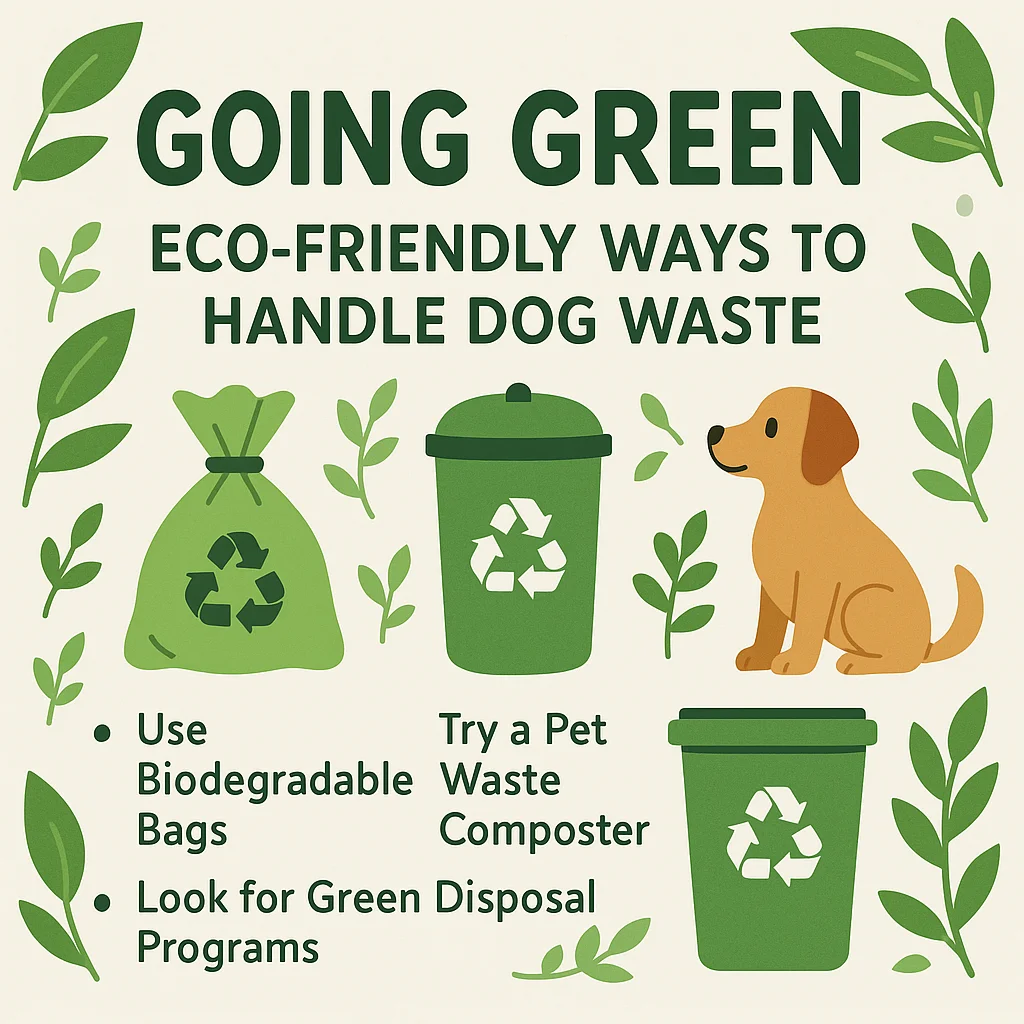
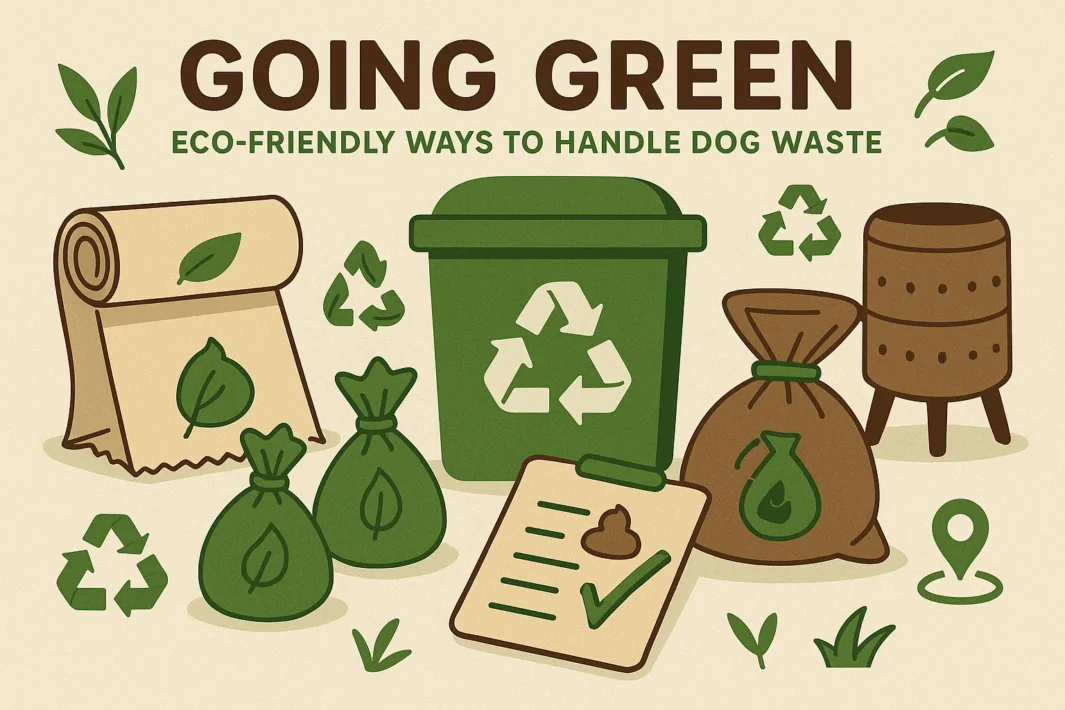
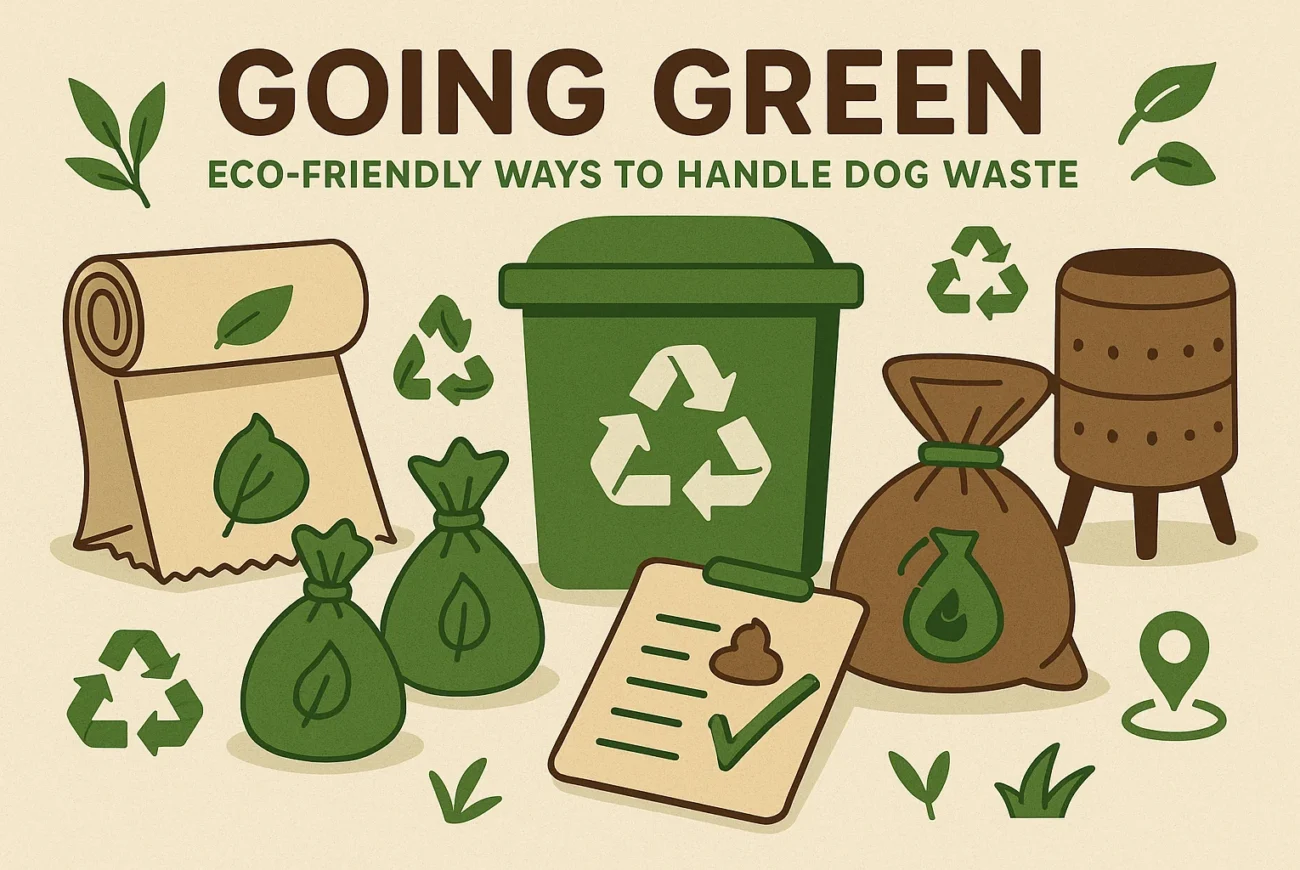
So what can responsible pet owners do to minimize their dog’s environmental pawprint? Here are some environmentally conscious options:
1. Biodegradable Waste Bags
Not all poop bags are created equal. Traditional plastic bags can take hundreds of years to break down in landfills. Instead, choose truly biodegradable bags made from plant-based materials that will decompose much faster. Look for bags that meet ASTM D6400 standards for compostability.
2. Proper Disposal
Once bagged, dog waste should go into the trash—not into recycling bins or green waste containers. In most municipalities, landfill waste is managed to contain potential contaminants, making this the safest disposal method for dog waste.
3. Dog Waste Composting Systems
For the environmentally ambitious, there are specialized dog waste composters designed to safely break down waste. These systems use enzymes and bacteria to decompose waste at high temperatures that kill pathogens. Important note: This compost should NEVER be used on food gardens—only on ornamental plants.
4. Flush It (Sometimes)
If your municipality allows it, flushing dog waste (without the bag) can be an option, as it will be treated along with human waste at water treatment facilities. However, check local regulations first, as not all sewage systems are equipped to handle dog waste.
5. Professional Waste Removal Services
Services like ours at WhoGivesAShit.dog not only save you time and hassle but also ensure proper disposal of waste. Our technicians are trained in environmentally responsible collection and disposal methods, and we use eco-friendly products throughout our service.
Community Solutions
Beyond individual actions, communities can take steps to address the environmental impact of dog waste:
- Dog waste stations: Installing bag dispensers and dedicated waste bins in parks and along walking trails encourages proper disposal.
- Public education: Many pet owners simply don’t realize the environmental impact of not picking up after their dogs.
- Community composting programs: Some forward-thinking communities have implemented large-scale dog waste composting programs.
- Local ordinances: Enforcing “scoop the poop” laws can significantly reduce the amount of waste left behind.
The Bigger Picture
When we talk about environmental responsibility, it’s easy to focus on the big issues like reducing plastic use or driving less. But being a responsible pet owner is also part of being environmentally conscious. By properly managing dog waste, we’re protecting our waterways, wildlife, and community spaces.
At WhoGivesAShit.dog, we believe that small actions add up to significant impact. Every time you pick up after your pet, you’re making a positive contribution to environmental health. And if you’d rather leave it to the professionals, our eco-friendly waste removal services are designed with both convenience and environmental responsibility in mind.
Conclusion
Dog waste management isn’t just about keeping your yard clean or avoiding an unpleasant step—it’s about being a responsible steward of our shared environment. The environmental impact of improper dog waste disposal is real and significant, but the solutions are simple and accessible.
By making conscious choices about how we handle our pets’ waste, we can reduce water pollution, protect ecosystems, and create healthier communities for everyone. After all, when it comes to environmental protection, every pile matters!

Hidden Dangers

Dog waste isn’t just a smelly nuisance or an inconvenient landmine in your yard—it’s a legitimate health hazard for your family, your pets, and the environment. At WhoGivesAShit.dog, we take this seriously (despite our humorous name), and we want to share why regular waste removal is about much more than just keeping your shoes clean.…
Environmental Impact
When we think about environmental pollution, industrial waste, vehicle emissions, and plastic in our oceans often come to mind. But there’s another significant pollutant that’s literally right under our feet: dog waste. At WhoGivesAShit.dog, we’re committed to raising awareness about this often-overlooked environmental issue and providing solutions that help protect our planet. The Scale of…
What Happens When You Don’t Scoop the Poop?

Many people adore the companionship and loyalty that dogs offer. Unfortunately, countless dogs find themselves in shelters due to a variety of circumstances.
